

Carrying credit card debt can feel heavy. You make payments every month, but those balances don’t go down anywhere near as quickly as you’d like. It’s frustrating, expensive and stressful.
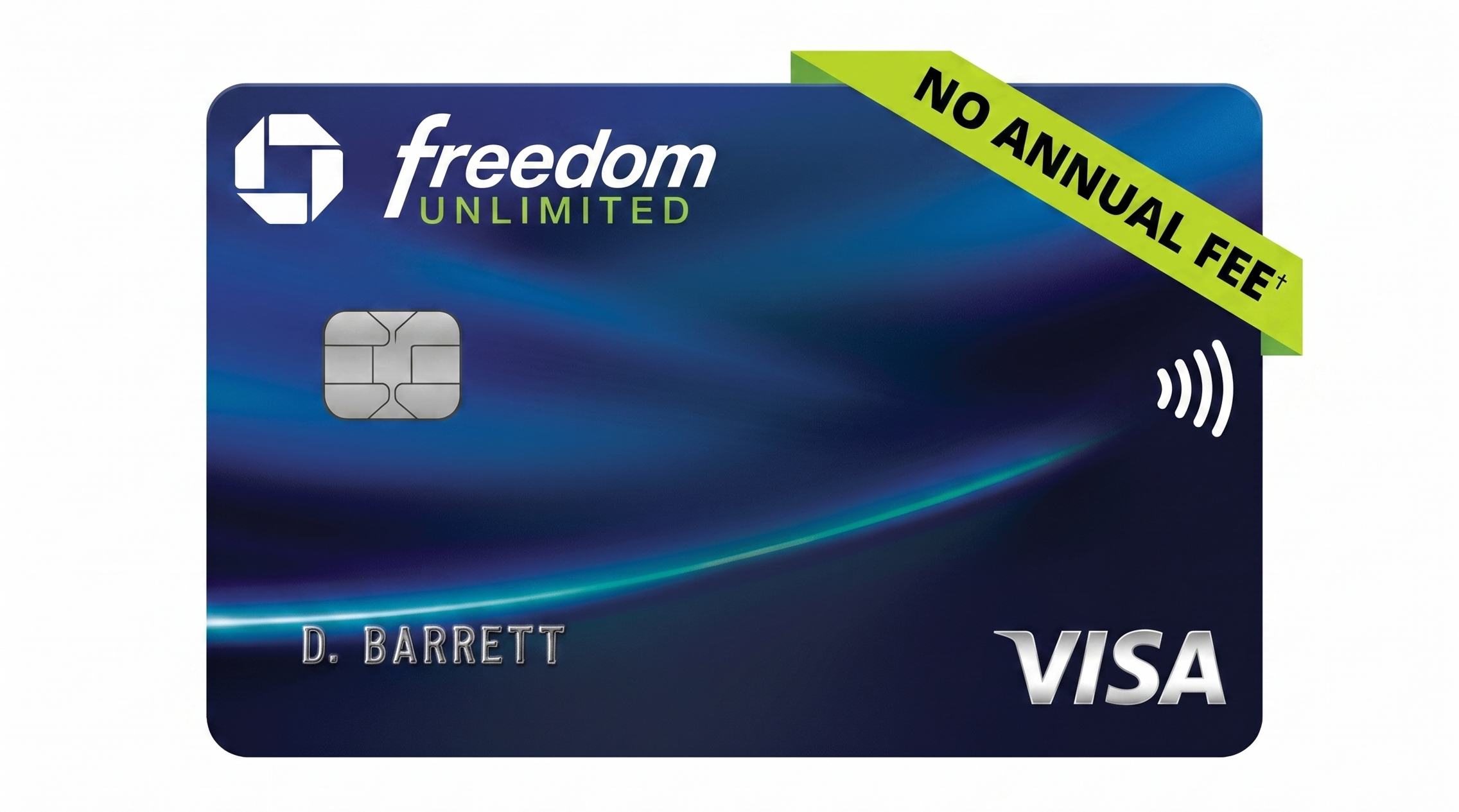
If that sounds familiar - and you’ve got good credit - then a balance transfer credit card might be a good option. One choice to consider is the Chase Freedom Unlimited® credit card. Known for its rewards program and no annual fee, this card also offers an introductory interest rate period on purchases and balance transfers for eligible new cardholders, which can help you pay down your credit card debt faster.
What is a balance transfer?
A balance transfer is when you move the balance from one credit card to another, typically to take advantage of a lower rate.
Although it can sound like you’re just shifting things around rather than addressing your debt, here’s why a balance transfer can be a smart choice:
- Saving money on interest
- Paying debt off faster
- Consolidating multiple balances into one payment
- Reducing financial stress
For example, if you carry a $5,000 balance on one card with an 18% interest rate and make only the minimum payment, you may be paying that off for nearly 8 years, and your total interest payments may be more than $4,000. If you have that same amount of debt split across multiple cards, you would have multiple payments to track.
If you move that balance to a Chase Freedom Unlimited® credit card with a 0% intro APR for 15 months on balance transfers and purchases, followed by a 18.24% - 27.74% variable APR, you could potentially pay it off during the introductory period and avoid that extra $4,000 in interest charges.
When you are paying the minimum payment on a card with a typical interest rate of 18%-24%, a sizable portion of your monthly payment goes to the interest. Just look at your most recent monthly statements to see how much interest you are charged each month. Your minimum payment covers the entire interest charge, and whatever is left over goes toward reducing the amount you owe.
With a 0% balance transfer, your entire payment goes directly toward the amount you owe, giving you a much faster path out of debt and toward peace of mind.
Why choose the Chase Freedom Unlimited Card?
This card is primarily known for its cash-back rewards program. And once you have finished paying off your previous credit card debt, that can make Chase Freedom Unlimited an attractive option to keep. Here are some of the features and why they stand out:
- 0% balance transfer APR: New eligible cardholders get no interest on balance transfers for 15 months (after that, a variable APR of 18.24% – 27.74% applies). This offer can be especially valuable if your current credit cards have higher interest rates.
- No annual fee: Some cards charge annual fees — and these can be hefty, especially for cards that offer cash and other rewards.
- A strong cash-back rewards program: Unlike many balance transfer cards that focus only on interest rate, Chase Freedom Unlimited offers cash back on all purchases. You earn 5% cash back on travel if you purchase it through Chase’s travel program,3% on dining and drugstore purchases, and 1.5% on all other purchases. In addition, the rewards don’t have a cap and never expire.
- Periodic partnership offers: Chase often partners with programs to offer exclusive discounts to their Freedom Unlimited cardholders. Some examples are no delivery fees on DoorDash orders and extra cash back on rides booked through Lyft. Chase adds new offers, so it pays to check these often to make sure you’re getting all the cardholder benefits.
- Strong brand and digital tools: The Chase mobile app is easy to use and offers alerts, account management tools, autopay options, and credit score monitoring at no extra charge. When you’re working to lower debt, access to information about your credit score and how your work is improving it each month can be highly motivating.
Who is Freedom Unlimited best for?
This card is a great balance transfer option, but it may not be right for every person. It tends to work best for specific types of borrowers:
- People with good credit. Balance transfer cards are typically for borrowers with good or excellent credit scores (typically, this will mean a score 700 or higher), although borrowers with an ongoing relationship with Chase may be able to qualify with a slightly lower score.
- People ready to attack debt. Transferring a balance is a great payoff strategy if you are committed to paying the debt down during the zero-interest period. This may mean making a higher monthly payment then you are used to, but it will save you a lot of money in the long run and get you in a better financial position going forward.
- People with existing high-APR debt. If your current card is 18% or higher, then the interest savings will be substantial.
- People who want simplicity. If your debt is split across multiple cards, the simplicity of one monthly payment can make budgeting easier. And if you are making minimum payments on multiple cards, you may find that your debt payoff amount is similar.
Who might want another option?
This card may not be ideal for borrowers who:
- Need to rebuild their credit.
- Need longer than 15 months to pay off their debt.
- Tend to keep spending while carrying balances.
Borrowers in these situations may want to consider other options or get specific advice to not only lower debt but also improve their spending habits.
What costs should you think about before a balance transfer?
Balance transfers are rarely free. Typically, there is a fee that may be up to 5% of the total balance transferred.
For the Chase Freedom Unlimited card, the fee is $5 or 3% of the balance transferred within 60 days of card opening, whichever is higher. After that, the balance transfer fee is the higher of $5 or 5%.
So if you transfer $5,000 in balances during the first 60 days with your new card, you will pay a $150 fee. That may sound like a lot, but with the interest savings, a zero-interest balance transfer still makes financial sense. As mentioned previously, paying the minimum payment on a $5,000 balance will cost you an additional $4,000 in interest and take nearly 8 years to pay off. Using this promotional offer will get you out of debt within 15 months, if you stick to a strategy.
How can you use a balance transfer effectively?
This is where it gets real. Getting your balance transfer card is only the first step. Here are our tips to make the best use of your zero-interest transfer.
-
Transfer the balance quickly.
Because the lower transfer fee applies only during the first 60 days, make your transfer(s) quickly. You’ll pay 2% more in fees if you wait too long.
-
Create a payoff plan.
Divide your total balance by 15 months so you can be debt-free before your balance begins earning interest. For example, to pay your $5,000 balance off during the interest-free period, you will need to pay $334 per month.
-
Set up autopay.
Missed payments can lead to fees, may lower your credit score, and can potentially jeopardize promotional terms, so make sure you don’t miss any payments by setting up autopay for your debt-free payment amount. This is easy to do inside the Chase mobile app, and you can set up alerts so you make sure your payment account has the funds available on your payment date.
-
Avoid new charges.
This is a big one — and a very common mistake. Many people transfer their debt, then start using the card for everyday purchases without a plan to pay those off each month, too. Over time, this just increases your balance, slows your payoff progress, and can lead to paying interest later because you didn’t pay off everything during the zero-interest period.
That doesn’t mean that you can’t take advantage of the other benefits of the card, but ensure that you continue to make your target debt payoff amount plus any new charges each month.
-
Track your deadline.
Know exactly when your introductory APR ends so you aren’t hit with surprise interest charges. Set calendar reminders at 6 months remaining, 3 months remaining, and 1 month remaining to ensure that you are hitting your payoff target to avoid interest.
What mistakes do people make with balance transfers?
When you are planning a balance transfer, avoid these missteps that can cause financial strain:
- Only making the minimum payment: Minimum payments often won’t eliminate the balance before the promotional period ends.
- Closing old accounts immediately: Your credit score is based on many factors, including the age of your open accounts and the percentage of your available credit that you are actually using. Keeping your older credit cards open may be a smart choice, unless they charge high annual fees or you don’t think you can stop using the cards when their balances are cleared.
- Ignoring the transfer fee. Always calculate whether the balance transfer fee is worth it for the interest savings.
- Continuing debt habits. As mentioned previously, continuing to make new purchases without a payoff strategy can derail your work to pay off your credit card balances. A zero-interest balance transfer doesn’t solve overspending. It solves high interest.
Will a balance transfer hurt your credit?
It may lower your credit score temporarily, but it rarely causes major issues.
Applying for a new card will add a new inquiry to your credit report, and approval can lower your average account age. These may cause short-term dips in your score. But if you lower your overall credit card balances by making on-time payments, it should improve your credit score over time.
Is the Chase Freedom Unlimited card better than a personal loan?
Some people may find that a low-interest personal loan might be a better option to pay off higher-interest debt.
Choose a balance transfer card if:
- You can repay the debit within the zero-interest period.
- You have good or excellent credit.
- You want flexibility.
Choose a personal loan if:
- You need several years to repay.
- You want fixed monthly payments.
- You need a structured payoff plan.
- You may not qualify for the Chase Freedom Unlimited card or another balance transfer card.
If your overall goal is to reduce your high-interest credit card debt, you’ll need to look at how much you owe, how much credit you would be approved for, and what other issues you might need to address in your budget. That will help you choose the correct option.
What is the final verdict?
If you’re carrying high-interest debt and have good credit, then the Chase Freedom Unlimited card is worth a serious look for a balance transfer.
Its combination of no annual fee, generous APR introductory period, useful cash-back rewards, and strong digital tools makes it a solid balance transfer card plus a versatile card you can keep using (and paying off each month).
But the card is only as effective as the plan behind it.
- Transfer your high-interest balances within the introductory period.
- Stick to your payoff plan to clear your balance before the into APR ends.
- Stop adding new debt.
Do that, and the Chase Freedom Unlimited card could be more than just another credit card. It could be your exit ramp from expensive revolving debt.
Editorial Disclosure: Greensprout may receive compensation from partners whose products are featured on this page. This compensation may impact how and where products appear, including the order in which they appear. However, our editorial opinions and recommendations are independent and based on our own research and evaluation. Not all financial companies or offers available in the marketplace are included.