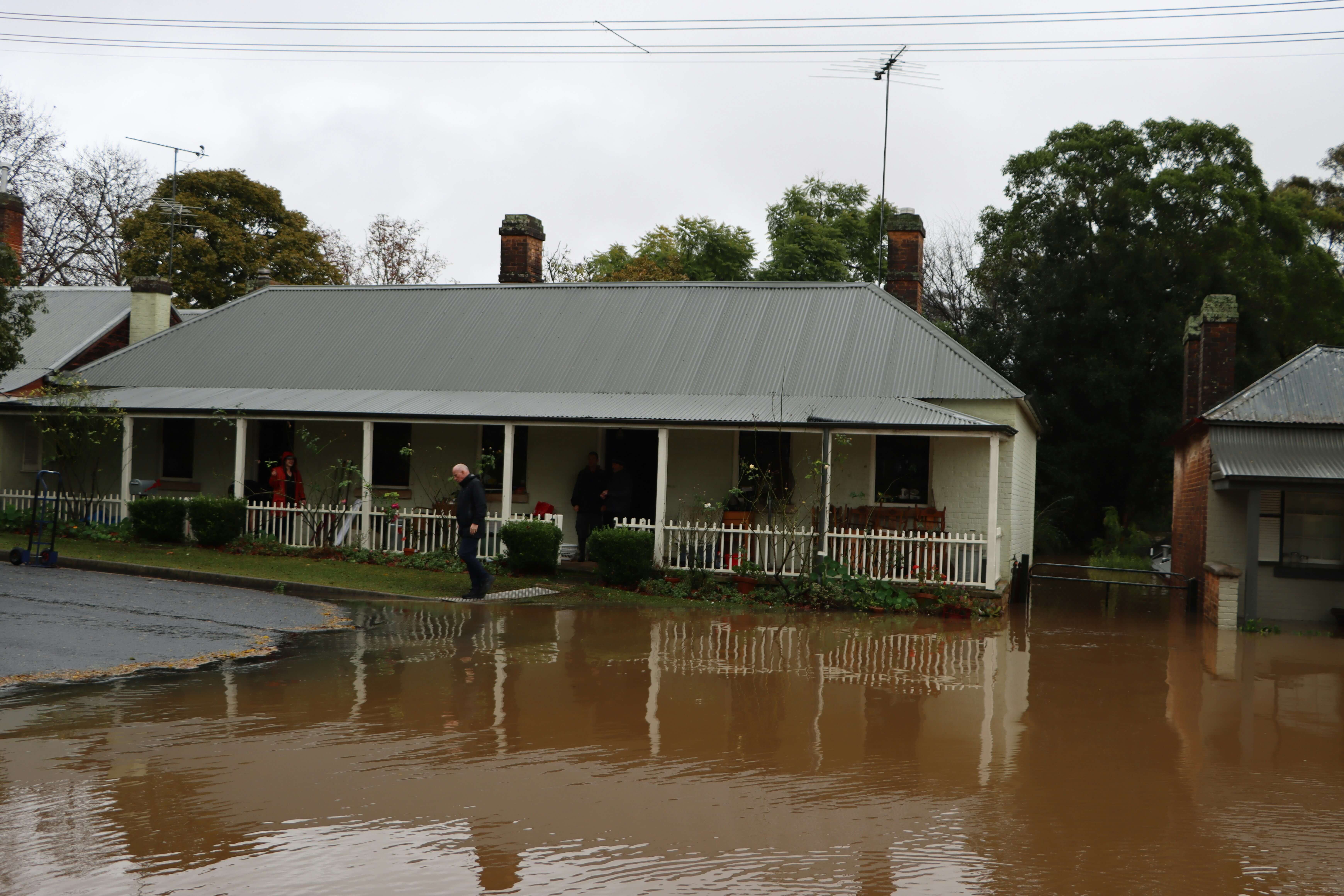
A natural disaster can turn your life upside down in an instant. Whether it’s a hurricane, wildfire, earthquake, or tornado, the devastation can leave homeowners wondering: What happens to my mortgage if my home is destroyed? The unfortunate truth is that even if your home is reduced to rubble, your mortgage doesn’t just disappear. Here’s what you need to know about handling your mortgage after a disaster and what steps you should take to protect yourself financially.
Your Mortgage Obligation Doesn’t Disappear
Your mortgage is tied to the loan you took out to buy your home—not the physical structure itself. That means even if your house is uninhabitable, you’re still responsible for making your mortgage payments unless alternative arrangements are made with your lender.
Does Homeowners Insurance Cover the Damage?
If you have a standard homeowners insurance policy, it may help pay to rebuild or repair your home. However, coverage depends on the cause of the disaster:
- Covered events: Fire, windstorms, hail, and hurricanes (in most cases)
- Not always covered: Earthquakes and floods (these usually require separate policies)
Your insurance payout can help you pay off your mortgage or rebuild your home, but if coverage is inadequate, you may still owe your lender money.
What About Mortgage Insurance?
If you have private mortgage insurance (PMI), it protects the lender—not you. It won’t cover damage to your home or cancel your debt. However, if you have loan protection insurance, it may help cover your mortgage payments in case of financial hardship.
What Are Your Options If You Can’t Pay?
If a disaster leaves you unable to make mortgage payments, you may be eligible for relief options, such as:
- Forbearance: Your lender may temporarily suspend or reduce your payments while you recover.
- Loan Modification: If you can’t afford your old mortgage payments, you may be able to renegotiate the terms.
- FEMA Assistance & Government Relief: After major disasters, government programs may offer financial aid or loan assistance.
What If You Want to Walk Away?
In some cases, if the cost of rebuilding is too high, homeowners may choose to sell the land and use insurance money to pay off the mortgage. If you owe more than your insurance covers, you could be at risk of foreclosure or short sale negotiations with your lender.
How to Protect Yourself Before Disaster Strikes
- Review your insurance policy and ensure you have coverage for common risks in your area.
- Consider additional disaster policies for floods, earthquakes, or hurricanes.
- Create an emergency savings fund to cover mortgage payments if you're displaced.
- Know your lender’s disaster policies so you can act quickly if the worst happens.
Final Thoughts
Losing your home to a natural disaster is devastating, but your mortgage doesn’t vanish with the wreckage. The best way to protect yourself is by having the right insurance coverage, a financial safety net, and a plan in place. If disaster strikes, contact your lender immediately to discuss your options and avoid unnecessary financial hardship.